
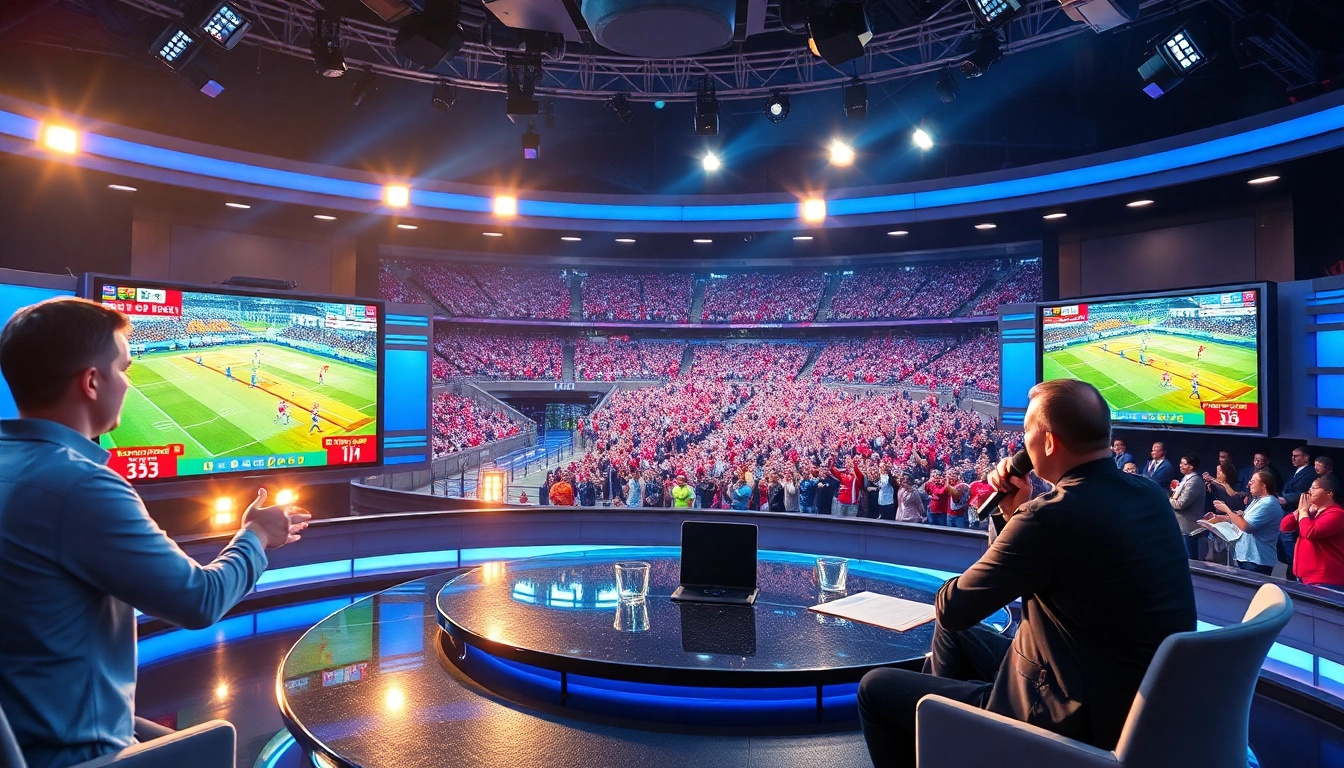
Understanding Sports Broadcasting
What is Sports Broadcasting?
Sports broadcasting refers to the distribution of live or recorded sporting events through various media channels, primarily television, radio, and online platforms. This form of broadcasting encompasses not just the play-by-play commentary during games, but also pre-game and post-game analyses, interviews with players and coaches, and the integration of statistics and graphics to enhance viewer engagement. Producing quality content in sports broadcasting requires an understanding of the game, the players, and the audience, making it a unique intersection of journalism and entertainment.
History and Evolution of Sports Broadcasting
The origins of sports broadcasting can be traced back to the early 20th century when radio began to relay live reports of games. The first live sports broadcast occurred in 1921 during a baseball game featuring the Pittsburgh Pirates and the Philadelphia Phillies. As television technology advanced in the 1950s, sports broadcasting exploded in popularity, with iconic events like the Super Bowl and the FIFA World Cup capturing massive audiences. The advent of the internet and streaming technology has led to a new era for sports broadcasting, allowing fans to engage with their favorite sports in real-time on multiple devices.
The Role of Technology in Sports Broadcasting
Technology plays an integral role in modern sports broadcasting, influencing how content is produced and consumed. High-definition cameras, drones, and virtual reality are transforming the viewer's experience by providing immersive angles and detailed replay capabilities. Additionally, advances in data analytics allow broadcasters to present statistics and performance metrics in real-time, enhancing understanding and engagement. The rise of social media has also changed the broadcasting landscape, enabling real-time interactions between fans, broadcasters, and athletes, thereby enriching the overall experience of sports broadcasting Sports Broadcasting.
Key Components of Effective Sports Broadcasting
Production Elements in Sports Broadcasting
Successful sports broadcasting relies on various production elements that work together to create an engaging viewer experience. Some key components include sound quality, camera angles, lighting, and graphics. For instance, having a top-notch team of technical experts ensures that the broadcast runs smoothly, with seamless transitions between scenes and clear audio commentary. Audience expectations are high, and meeting those expectations necessitates thorough preparation and rehearsal to capture the action accurately and engagingly.
Audience Engagement Strategies in Sports Broadcasting
Engaging the audience is critical in sports broadcasting. Interactive polls, Q&A sessions with athletes, and live social media feeds are effective ways to maintain viewer interest. Incorporating gamification elements can also enhance audience participation, offering fans chances to win prizes for predicting game outcomes or answering trivia questions correctly. Personalized viewing experiences, facilitated by data analytics, enable broadcasters to target content to specific demographics, making the broadcast more relevant and appealing to diverse audiences.
Analytics and Metrics in Sports Broadcasting
Analytics serve as a cornerstone of modern sports broadcasting, informing decision-making and strategy development. Broadcasters track viewership metrics such as the number of viewers, engagement rates, and demographic information to optimize content delivery. In-game analytics can also reveal insights into player performance and strategies, offering deeper context to the live experience. By leveraging these metrics, broadcasters can enhance their programming and ultimately increase their market share.
Challenges in Sports Broadcasting
Technical Challenges in Live Broadcasting
Live broadcasting brings unique technical challenges, including connectivity issues, equipment malfunctions, and latency problems. These factors can disrupt the viewer experience and may result in loss of audience trust. Robust backup systems, reliable equipment, and thorough pre-broadcast checks can mitigate these risks. Additionally, having a skilled technical team on standby to troubleshoot issues as they arise is essential to maintain the quality of the broadcast.
Managing Audience Expectations in Sports Broadcasting
With the rise of on-demand content and instant gratification, managing audience expectations has become more complex. Viewers often anticipate high production values and seamless access to content, including instant replays, highlights, and in-depth analyses. To meet these expectations, broadcasters must continually invest in technology and training while also being transparent about limitations. Open communication with the audience regarding broadcast schedule changes or technology issues can foster goodwill and patience among viewers.
Adapting to New Platforms and Technologies
The landscape of sports broadcasting is ever-changing, driven by the emergence of new platforms and technologies. Broadcasters must adapt to shifts in viewing habits, such as the growing preference for mobile streaming and social media consumption. Developing content specifically for these platforms can be an effective strategy to capture and engage younger audiences. Leveraging partnerships with tech companies can also provide valuable insights into emerging trends and technologies, ensuring that broadcasters remain competitive.
Best Practices for Successful Sports Broadcasting
Creating Compelling Content for Sports Broadcasting
Compelling content is central to the success of sports broadcasting. This involves crafting engaging narratives around games, athletes, and rivalries that resonate with the audience. Incorporating personal stories or behind-the-scenes footage can add depth to the content, making it more relatable and shareable. Moreover, consistency in content quality and timing is crucial in building a loyal viewer base that returns for more.
Leveraging Social Media for Enhancing Sports Broadcasting
Social media platforms offer a wealth of opportunities for sports broadcasters to enhance viewer engagement. By utilizing platforms like Twitter, Instagram, and Facebook, broadcasters can share live updates, behind-the-scenes content, and interactive polls, fostering a sense of community among fans. Collaborating with influencers and athletes on social media can attract new viewers and create buzz around upcoming broadcasts.
Building Community Engagement Around Sports Broadcasting
Fostering community engagement is essential for long-term success in sports broadcasting. Creating forums for fans to discuss games, share opinions, and connect with each other can cultivate loyalty. Hosting live events or viewing parties can further strengthen the community bond, allowing fans to engage with both the broadcast and each other. Engaging with fans through exclusive interviews or Q&A sessions can personalize the experience and enhance viewer satisfaction.
Future Trends in Sports Broadcasting
Impact of Streaming Services on Sports Broadcasting
Streaming services are reshaping the sports broadcasting landscape, providing consumers with more choices than ever before. Viewers are increasingly abandoning traditional cable subscriptions in favor of on-demand streaming solutions. This shift has prompted broadcasters to develop tailor-made content for these platforms, ensuring they remain relevant and accessible to audiences. The focus is now on providing quality, personalized experiences that cater to diverse viewer preferences.
Innovations Shaping the Future of Sports Broadcasting
The future of sports broadcasting is being shaped by innovative technologies such as augmented reality (AR) and artificial intelligence (AI). AR can enhance viewer engagement by overlaying live statistics and graphics onto the game, creating an interactive viewing experience. Meanwhile, AI can assist in content creation, analyzing viewer patterns to produce customized highlights and personalized recommendations, making broadcasts more appealing and accessible.
Predictions for Audience Behaviors in Sports Broadcasting
As technology continues to evolve, audience behaviors in sports broadcasting are likely to shift further toward personalization and interactivity. Viewers will demand content that is not only live but also tailored to their specific interests and preferences. The integration of virtual communities and social interaction into broadcasts could become a standard expectation, encouraging platforms to develop increasingly interactive features that promote a shared viewing experience.
Frequently Asked Questions
What is sports broadcasting?
Sports broadcasting is the transmission of live or recorded sports events through television, radio, or online platforms, including commentary and analyses.
How has technology changed sports broadcasting?
Technology has enhanced production quality, improved viewer experiences through high-definition visuals, real-time analytics, and facilitated social media interaction.
What are the challenges of live sports broadcasting?
Challenges include technical issues like connectivity and equipment failures, managing audience expectations, and keeping up with new platforms.
How can social media benefit sports broadcasting?
Social media fosters engagement, allows for real-time updates, and creates community among fans, effectively extending the reach of broadcasts.
What are future trends in sports broadcasting?
Future trends include increased personalization through data analytics, integration of AR technologies, and a shift toward more streaming-based content delivery.