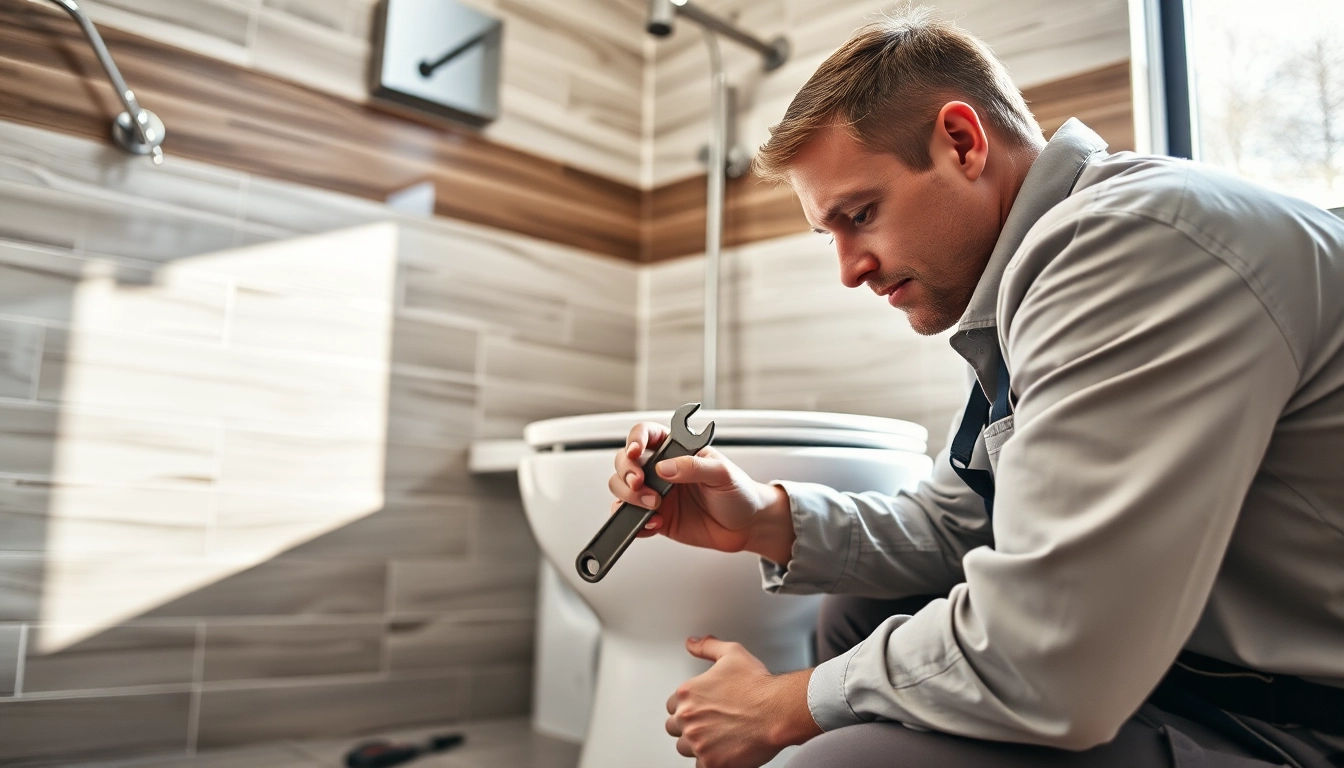
Understanding Toilet Repair Basics
Toilet repair can often seem daunting to the untrained eye, but understanding the basics can save you both time and money. Whether you're dealing with a minor issue or something more complex, proper knowledge can empower you to tackle most toilet-related challenges. Familiarizing yourself with common problems, essential tools, and safety precautions can set the foundation for successful toilet repair. Let's dive into the fundamentals to help you get started.
Common Toilet Problems
The most common issues that homeowners face include:
- Running Toilet: A toilet that never stops running is not only annoying but can lead to increased water bills.
- Clogged Toilet: Stubborn clogs can prevent proper flushing, often requiring a plunger or auger for resolution.
- Leaky Toilet: Water pooling around the toilet base or a leaking tank can indicate faulty seals or connections.
- Low Water Level: A toilet with inadequate water in the bowl may not flush effectively.
- Noisy Toilet: Noisy toilets can be a result of various mechanical issues, causing discomfort and distraction.
Essential Tools for Toilet Repair
Equipping yourself with the right tools can streamline your toilet repair efforts. Key tools include:
- Plunger: Perfect for tackling clogs easily.
- Auger: Ideal for more severe clogs that a plunger can't handle.
- Wrench: Useful for loosening and tightening bolts.
- Screwdriver: Essential for removing and sealing components.
- Bucket: To catch excess water during repairs.
Safety Precautions During Repair
Before diving into repairs, ensure you take appropriate safety measures:
- Turn off the water supply to prevent overflow.
- Wear gloves to protect your hands from germs and chemicals.
- Use safety goggles to prevent water or debris from entering your eyes.
Diagnosing Toilet Issues
Diagnosing toilet issues effectively can save time and lead to more accurate repairs. Follow these steps to pinpoint problems.
Identifying Leak Sources
Pools of water around your toilet can indicate leaks. To diagnose:
- Check the water supply line and tank bolts for wetness.
- Inspect the wax seal at the base for signs of damage or water escape.
- Perform a dye test by adding a few drops of food coloring to the tank and waiting 30 minutes to see if it seeps into the bowl.
Flush Mechanism Troubleshooting
Flush issues like weak or incomplete movements might stem from:
- Worn flapper valves needing replacement.
- Chains that are too loose or too tight affecting the flush process.
- Misalignments in the flush lever causing activation problems.
Noisy Toilet Solutions
If your toilet sounds like a freight train, it may be suffering from:
- Faulty fill valves that need adjustment or replacement.
- Water hammer due to abrupt shut-off, addressed by installing a water hammer arrester.
- Loose components vibrating during operation.
Common DIY Toilet Repair Techniques
With a little knowledge, most toilet repairs can be achieved without professional help. Here are some techniques you can use as a homeowner.
How to Fix a Running Toilet
To solve a running toilet issue:
- Shut off the water supply to the toilet.
- Remove the tank lid and inspect the flapper valve for wear.
- Replace the flapper if needed, ensuring a tight seal.
- Check the fill tube alignment; it should be above the waterline.
- Turn the water back on and test by flushing.
Clogged Toilet Repair Steps
To resolve a clogged toilet:
- Begin with a plunger; ensure a tight seal and plunge vigorously.
- If unsuccessful, use an auger to push through the blockage.
- For persistent clogs, consider a toilet auger or removing the toilet for manual cleaning.
Replacing Toilet Parts Easily
Replacing toilet parts like flappers and fill valves is straightforward:
- Turn off the water and drain the tank.
- Disconnect the components as per the manufacturer’s guide.
- Install the new component, ensuring proper alignment and sealing.
- Turn water back on and test for leaks and functionality.
Advanced Toilet Repair Strategies
For persistent issues or when DIY techniques don't work, consider more advanced repair strategies.
Dealing with Persistent Clogs
For challenging blockages, advanced techniques may include:
- Utilizing a power auger for deeper clogs.
- Inspecting and cleaning the toilet drain using specialized tools.
- Checking the main sewer line for additional blockages that could affect multiple toilets.
When to Call a Professional
While many repairs can be handled at home, some indicate the need for professional intervention:
- Multiple toilets experiencing similar issues.
- Recurring clogs or backups.
- Complexity in diagnosing the root cause of ongoing problems.
Using Video Inspection Tools
Modern technology allows homeowners to inspect their plumbing systems with video equipment. This method can effectively:
- Reveal hidden blockages and structural issues in pipes.
- Provide a visual assessment of the plumbing condition.
- Help in planning future repairs or replacements accurately.
Frequently Asked Questions About Toilet Repair
How often should I check my toilet?
It’s important to check your toilet at least once a month for leaks, flush efficiency, and other performance issues to maintain proper function.
What are common signs of a failing toilet?
Signs include frequent clogs, leaking water, unstable flushing, and continuous running. Address these issues promptly to avoid further damage.
Can I fix a toilet without professional help?
Many toilet repairs can be done by homeowners using basic tools and following guidelines, especially for common problems like clogs or running toilets.
What tools do I need for basic toilet repairs?
Essential tools include a plunger, auger, wrench, screwdriver, and bucket. These can help you tackle most standard toilet repairs easily.
How long do toilet repairs typically take?
Simple repairs can take as little as 30 minutes, while complex ones may require up to a few hours, depending on the issue's nature and tools used.