Understanding Flooring Options
When it comes to transforming your home, choosing the right flooring can make a significant impact on both aesthetics and functionality. With a plethora of options available in the market, understanding the various types of flooring is crucial. Each option not only contributes to the visual appeal but also influences the overall comfort and utility of your space. Here, we delve into the different types of flooring, their benefits, and how you can choose the right one for your home. For more insights on flooring, read on.
Types of Flooring Explained
The market offers a wide array of flooring types, each suited for different settings and preferences. Here is an overview of the most popular options:
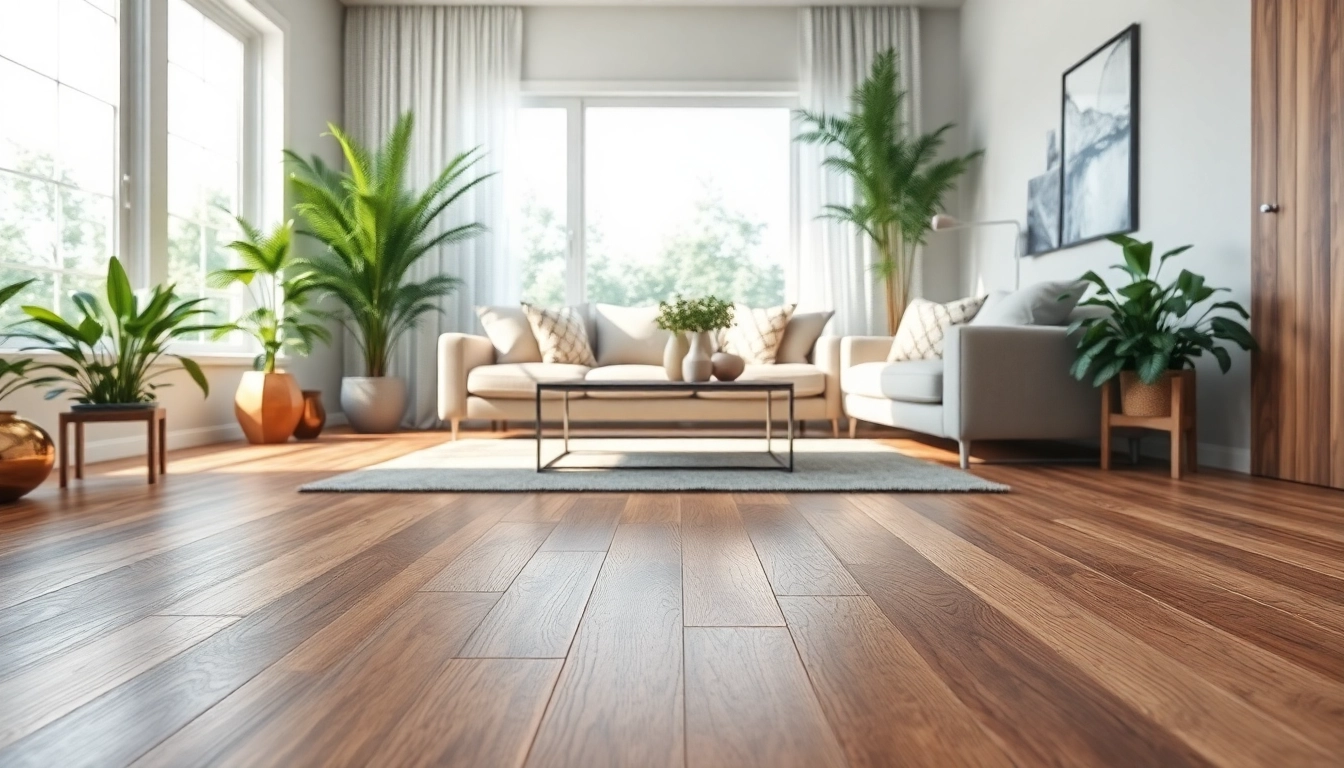
- Hardwood Flooring: This classic choice is known for its natural beauty and durability. It’s available in various species, colors, and finishes, adding warmth and elegance to any room.
- Laminate Flooring: An affordable alternative to hardwood, laminate mimics the look of wood or stone but is made from composite materials. It’s resistant to scratches and easy to maintain, making it a good option for busy households.
- Vinyl Flooring: Highly versatile, vinyl is available in tiles or sheets and can mimic the look of wood, stone, or ceramic. Its water resistance makes it ideal for kitchens and bathrooms.
- Tile Flooring: Ideal for high-moisture areas, tiles come in materials like ceramic and porcelain. They are durable and available in endless designs and colors, providing versatility in design.
- Carpet: Offering comfort and warmth, carpet is available in various styles, textures, and colors. It is ideal for bedrooms and living areas but may require more maintenance compared to other options.
- Concrete Flooring: This option has gained popularity for its industrial aesthetic. It’s durable and can be stained, polished, or patterned for unique designs, making it suitable for both indoor and outdoor spaces.
Benefits of Each Flooring Type
Choosing the right flooring extends beyond aesthetics; it involves understanding the practical benefits each option offers:
- Hardwood Flooring: Durable and can last for decades. It's easy to refurbish, enhancing its longevity.
- Laminate Flooring: Affordable and resistant to wear, making it suitable for high-traffic areas. It’s also simple to install, often as a DIY project.
- Vinyl Flooring: Water-resistant and easy to clean, it is ideal for kitchens and bathrooms. Its cushioning effect makes it comfortable to stand on for prolonged periods.
- Tile Flooring: Extremely durable and stain-resistant, tiles can withstand moisture and heat, making them great for kitchens and bathrooms.
- Carpet: Provides excellent sound insulation and comfort. It can create a warm and inviting atmosphere, especially in bedrooms.
- Concrete Flooring: Highly durable and requires minimal maintenance. It's also eco-friendly if using recycled materials.
How to Choose the Right Flooring
Selecting the right flooring involves considering several factors:
- Room Function: Consider the room's purpose. High-traffic areas benefit from durable options like laminate, while bedrooms may be better suited for carpet.
- Style Preference: Your flooring should complement your home’s overall design. Choose a style that resonates with your decor.
- Maintenance Requirements: Different floorings require different levels of upkeep. Evaluate your willingness to care for the flooring over time.
- Budget: Determine how much you are willing to spend. While some options may have a higher upfront cost, consider the long-term value.
- Climate and Environment: Consider the local climate and how it affects the flooring. For instance, wood may warp in high humidity areas.
Installation Considerations for Flooring
Once you’ve settled on the type of flooring for your home, the next step is installation. This phase can significantly influence the performance and longevity of your flooring. Understanding the installation process and potential challenges is vital.
Professional vs. DIY Installation
Deciding whether to hire a professional or DIY your flooring installation depends on various factors:
- Experience: If you have prior experience with home improvement projects, you may opt for DIY, especially for less complex materials like laminate or vinyl.
- Time and Tools: Professional installers are equipped with the right tools and knowledge to complete the job efficiently. If you lack tools or time, hiring a professional may be a better option.
- Warranty: Many flooring manufacturers require professional installation for warranties to be valid. Check the installation policies of your flooring type.
Tools Needed for Installation
If you decide to take the DIY route, having the right tools is essential:
- Measuring Tape: Accurate measurements are crucial for a proper fit.
- Utility Knife: For cutting vinyl or laminate to size.
- Flooring Installation Kit: Specific kits contain essential tools like pull bars and spacers.
- Mallet: Useful for tapping planks into place without causing damage.
- Level: Ensures the flooring is laid down evenly.
Common Installation Mistakes to Avoid
Reducing your risk of errors during installation can save time and money:
- Insufficient Acclimation: Not allowing your flooring to adjust to room temperature and humidity can lead to expansion or warping.
- Poor Subfloor Preparation: Ensure your subfloor is clean, dry, and level to avoid installation issues.
- Improper Measuring: Double-check measurements to prevent cuts that are too short or too long.
- Skipping Expansion Gaps: Always leave expansion gaps near walls to accommodate any movement.
Maintenance Tips for Different Floorings
Once installed, maintaining your flooring is essential for longevity and appearance. Each type requires unique care to enhance its durability and beauty.
Cleaning Guidelines for Each Flooring Type
Understanding the best cleaning methods can help maintain the integrity of your flooring:
- Hardwood: Use a dry mop or a slightly damp cloth with a cleaner designed for wood. Avoid excessive moisture.
- Laminate: Vacuum regularly and use a damp mop with a laminate cleaner. Avoid wax or steam mops.
- Vinyl: Sweep or vacuum regularly and use a mild cleaner with a damp mop. Spills should be wiped immediately.
- Tile: Clean with a damp mop and a pH-neutral cleaner. Regularly scrub grout lines to prevent staining.
- Carpet: Vacuum frequently and treat stains promptly with an appropriate carpet cleaner.
- Concrete: Sweep regularly and clean with a mild detergent. Re-seal every few years for added protection.
Long-Term Care Strategies
Moreover, long-term care strategies will extend the life of your flooring:
- Use Mats: Place mats at entrances to reduce dirt and moisture brought indoors.
- Furniture Pads: Use pads under furniture legs to prevent scratches and dents.
- Regular Inspections: Periodically inspect your flooring for signs of wear or damage.
- Professional Cleaning: Consider hiring professionals for deep cleaning, especially for carpets and tiles.
Repairing Common Issues with Flooring
Even with proper maintenance, issues may arise that need attention:
- Scratches on Hardwood: Minor scratches can often be buffed out or filled with a wood filler.
- Laminate Gaps: If gaps appear, carefully reassemble the planks, ensuring they fit snugly.
- Vinyl Tears: Small tears can be patched using pieces of leftover vinyl. For larger tears, consider professional repairs.
- Cracked Grout: Re-grout affected areas to maintain integrity and cleanliness of the tiled surface.
- Worn Carpet: Consider patching worn areas or, if significant, replace the carpet section.
Trends in Flooring Design
As with any aspect of home design, flooring solutions continue to evolve, incorporating contemporary styles and materials. Understanding current trends can help you make informed decisions that enhance your home’s design.
Current Flooring Trends to Watch
A few exciting trends in flooring design are gaining traction:
- Sustainable Materials: Eco-friendly flooring options like bamboo and cork are increasingly popular due to their sustainable properties.
- Bold Patterns and Textures: Geometric patterns and textured surfaces are being favored for a modern look.
- Wide Planks: Wider hardwood planks provide a more open, spacious feel, offering a clean aesthetic.
- Luxury Vinyl Plank (LVP): This product imitates natural materials and offers durability, making it popular in high-end homes.
- Mixed Materials: Combining different flooring types, like hardwood and tile, can add depth and interest to a space.
Choosing Colors and Textures for Your Space
The color and texture of your flooring should harmonize with your existing decor:
- Light Colors: Enhance illumination and make smaller spaces appear larger.
- Dark Colors: Add warmth and can create a cozy environment, but may show dust and debris more easily.
- Neutral Tones: These are versatile and pair well with a variety of decor styles.
- Textures: Textured flooring can add dimension to your space, enhancing the sensory experience.
Combining Flooring Styles for Unique Looks
Mixing different types of flooring can create visually striking interiors:
- Transitions: Use area rugs or threshold strips to create smooth transitions between different flooring types.
- Layering: Combine hardwood with tile or vinyl, particularly in open floor plans, to define different areas.
- Color Coordination: Ensure the colors complement each other for a cohesive design throughout your home.
Frequently Asked Questions about Flooring
What flooring is best for high-traffic areas?
Durable options like vinyl and tile are ideal for high-traffic areas due to their resistance to scratches and stains.
How often should flooring be replaced?
Depending on usage and type, flooring may need replacement every 10-20 years to maintain its appearance and functionality.
Can I install flooring on my own?
Yes, many homeowners successfully install flooring as DIY projects, particularly with laminate and vinyl options.
What’s the best way to clean hardwood flooring?
Use a dry mop and a gentle cleaner specially formulated for hardwood; avoid excessive water to protect the wood.
How do I choose a flooring color?
Select a color that complements your home's decor and lighting; lighter shades enhance space, while darker tones add warmth.