

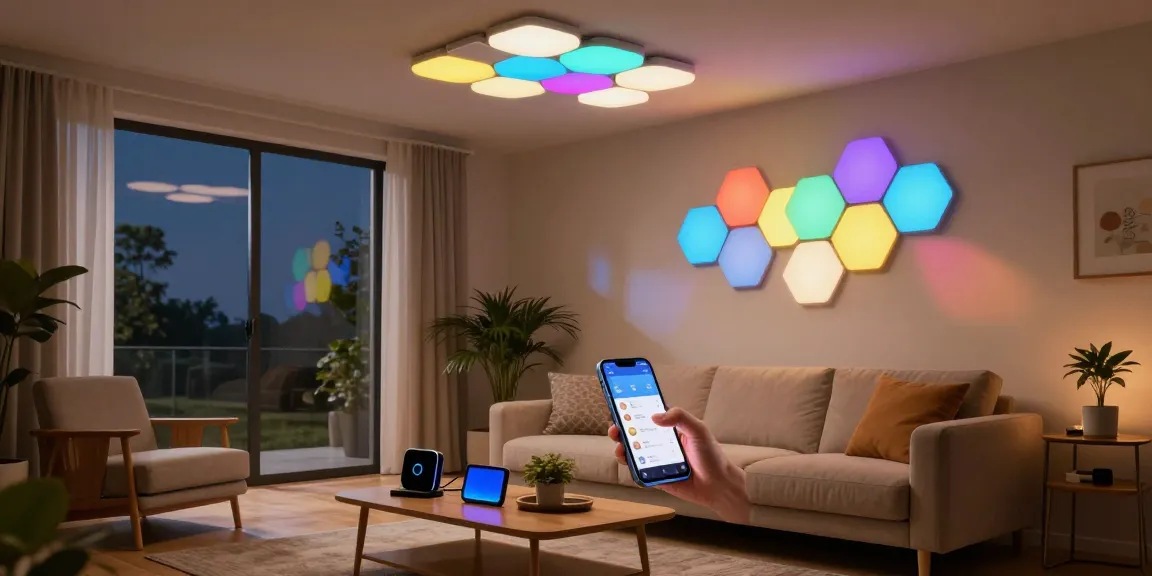
Understanding the Nanoleaf Skylight Technology
The Nanoleaf Skylight represents a significant advancement in smart home lighting, designed not only to brighten your space but also to enhance its aesthetic appeal. This innovative product combines cutting-edge technology with stylish design, making it a popular choice among tech enthusiasts and interior design aficionados alike. In this comprehensive analysis, we will delve into the features, installation process, and user experience associated with the Skylight, providing a thorough overview that may help you decide if it suits your needs. When exploring options, Nanoleaf Skylight Test offers comprehensive insights into the product’s performance.
What is the Nanoleaf Skylight?
The Nanoleaf Skylight is a modular smart lighting system designed to mimic the appearance of natural skylights. It comprises interconnected LED panels that can be configured in various arrangements to create a personalized lighting solution. The product is typically controlled via a smartphone app, allowing users to adjust brightness, color, and even lighting patterns according to their preferences. In an era where smart home technology is becoming increasingly prevalent, the Skylight stands out as a versatile and visually striking option.
Key Features and Specifications
- Modularity: The Skylight’s panels can be connected in multiple configurations, allowing for endless customization.
- Smart Control: Users can control the lighting remotely via the Nanoleaf app, which is compatible with both iOS and Android devices.
- Voice Activation: The device is compatible with smart home assistants such as Amazon Alexa, Google Assistant, and Apple HomeKit.
- Energy Efficiency: The LED technology used in Skylight panels provides significant energy savings compared to traditional lighting.
How Does the Technology Work?
The underlying technology of the Nanoleaf Skylight leverages a combination of LED lighting and smart connectivity. Each panel contains high-quality LEDs that are capable of producing a wide spectrum of colors. Users can create scenes or moods by adjusting the color temperature and brightness levels through the app. Additionally, the panels communicate with each other via a mesh network, allowing each unit to function seamlessly within the system.
Setup and Installation Guide
Installing the Nanoleaf Skylight can be a rewarding yet challenging experience, depending on your familiarity with smart home technologies. This section outlines the steps needed to set up the Skylight, alongside tips for ensuring a smooth installation process.
Step-by-Step Installation Process
- Unbox and Plan: Begin by unboxing the Skylight kit and sketching out your planned layout. This will help you visualize the final look.
- Prepare Your Ceiling: Make sure the surface where you plan to mount the panels is clean and flat.
- Attach the Panels: Use the included adhesive or mounting hardware to attach the panels to the ceiling according to your design.
- Connect Power: Follow the instructions to connect the power supply to the first panel and ensure all panels are powered correctly.
- Download the App: Download the Nanoleaf app and follow the prompts to create an account and connect your Skylight system.
- Set Up Your Preferences: Once connected, configure your preferred settings, including lighting scenes and automation.
Common Challenges During Setup
While many users find the installation process straightforward, some common challenges include:
- Ensuring the adhesive sticks properly, which may vary depending on the ceiling surface.
- Configuring the app can be a bit tricky for those unfamiliar with smart home devices.
- Network connectivity issues may arise if Wi-Fi signals are weak in the installation area.
Best Practices for Installation
To optimize your installation experience, consider the following best practices:
- Test adhesive on a small area of the ceiling first to ensure it adheres well.
- Keep the panels and the app updated to avoid connectivity issues.
- Try to plan your lighting layout during daylight hours to visualize how it will look when lit.
User Experience and Performance
Understanding how users engage with the Nanoleaf Skylight is crucial in evaluating its overall effectiveness. In this section, we explore user testimonials, performance metrics, and comparisons with alternative lighting solutions.
How Users Are Engaging with the Skylight
User feedback indicates that many find the Skylight’s customizable features particularly appealing. From creating ambiances for parties to using dynamic lighting for relaxation, the versatility of the product caters to various needs, enhancing both functionality and aesthetic appeal.
Performance Metrics: Brightness and Efficiency
The Nanoleaf Skylight boasts impressive brightness levels, with each panel producing up to 1400 lumens. This makes it suitable for both ambient and task lighting. Moreover, users report significant energy efficiency, often noticing a reduction in their electricity bills compared to traditional lighting solutions.
Comparative Analysis with Other Lighting Solutions
When compared to other smart lighting systems, the Nanoleaf Skylight typically excels in terms of design and customizability. While other products might offer similar features, few can match the visual impact of a setup featuring multiple Skylight panels arranged creatively. Regular reviews suggest that while the price point is higher, many users find the investment justified by the quality and performance.
Cultural Impact & Design Trends
The rise of smart home technology has not only transformed everyday living but also influenced design trends in contemporary interiors. The Nanoleaf Skylight serves as a perfect example of how tech can enhance home aesthetics.
The Rise of Smart Home Aesthetics
Smart lighting systems like the Nanoleaf Skylight are leading the way in redefining home aesthetics. As homeowners look for ways to integrate technology seamlessly into their living spaces, products that offer both functionality and style are increasingly in demand.
Innovative Use Cases in Interiors
Interior designers are exploring innovative ways to use the Skylight panels as art pieces or dynamic backdrops, elevating the overall ambiance of a room. This trend is particularly evident in spaces such as living rooms, home theaters, and creative studios.
Future Design Trends in Smart Lighting
As technology continues to evolve, we can expect future designs to incorporate more advanced features, such as improved integration with voice assistants and AI. The trend may also shift towards more sustainable lighting options that reduce environmental impact while providing superior performance.
Future Of Nanoleaf: Trends and Predictions
As we look ahead to 2026, the evolution of the Nanoleaf Skylight seems promising, with several anticipated innovations and trends that could reshape the smart lighting landscape.
Expected Innovations by 2026
Experts predict that Nanoleaf will continue to expand its product offerings, potentially integrating even more advanced technologies. We may see innovations such as more responsive panels that can adapt to user behavior and preferences in real-time.
Integration with Emerging Technologies
With the rise of smart home networks, upcoming models may also offer better integration with emerging technologies such as Matter, the universal smart home standard. This would facilitate compatibility with a wider range of devices and platforms, enhancing the user experience.
User Feedback and Future Improvements
User feedback plays a critical role in shaping product developments. Nanoleaf is likely to continue refining its offerings based on customer needs, focusing on enhancing user experience and addressing common pain points such as installation challenges and app connectivity.
What are the primary benefits of using Nanoleaf Skylights?
The primary benefits include customizable lighting options, energy efficiency, and the ability to create unique atmospheres that enhance the overall living experience.
How do you troubleshoot common Nanoleaf Skylight issues?
Common troubleshooting steps include ensuring a stable internet connection, checking for software updates, and verifying that panels are correctly connected in the app.
Are there alternatives to the Nanoleaf Skylight?
Yes, there are several alternatives on the market, including Philips Hue and LIFX systems, each offering their own features and customization options.
How does the Nanoleaf Skylight integrate with smart home systems?
The Skylight is compatible with major smart home assistants, allowing for voice control and seamless automation within a smart ecosystem.
What new features can we expect in the upcoming Skylight models?
Future models may introduce enhanced color accuracy, advanced motion detection capabilities, and improved user interface experiences for the app.. Additionally, Nanoleaf Skylight Erfahrungen provides further details.